Trying to figure out which Norwalk neighborhood actually fits your day-to-day? With shoreline pockets, a lively downtown, and quiet residential enclaves, each area offers a different rhythm. This guide walks you through how to match your commute, water access, and home style to the right corner of Norwalk. You will leave with a clear short list and a simple way to test-fit any listing. Let’s dive in.
Start with your lifestyle drivers
Before you scroll listings, define what you need most. A quick framework helps you focus fast.
- Commute time and transit access
- Housing type and maintenance level
- Waterfront and boating access
- Walkability to dining and services vs privacy and space
- Budget and value drivers you want to protect at resale
Quick match by profile
- Walkable commute hub: South Norwalk (SoNo) puts you steps from the South Norwalk station, dense dining, and waterfront attractions. See the city’s station-area overview for commute and parking context in the South Norwalk Station Area Final Report.
- Village feel with a train stop: Rowayton offers a coastal village center and its own Metro-North station. Check the Rowayton station page for schedules.
- Beach and marina access: East Norwalk and Calf Pasture area give you city beach access and Norwalk Cove Marina. Explore the marina’s services via Norwalk Cove Marina.
- Quieter single-family living: Cranbury and Silvermine deliver traditional residential streets and an arts-forward vibe anchored by the Silvermine Arts Center.
- Low-maintenance, walk-to-dining: Condos and townhomes cluster in SoNo and near the waterfront, which make car-lite living viable.
South Norwalk (SoNo): walkable waterfront hub
SoNo is Norwalk’s historic waterfront core. Brick warehouses and old storefronts have been reshaped into a lively district of restaurants, galleries, and attractions anchored by the Maritime Aquarium. The area draws you in with energy and convenience.
Housing here leans toward loft-style apartments, condos, and townhomes, with some single-family streets a bit farther from the center. If you want minimal maintenance and a car-optional life, SoNo fits well.
Commuters value the South Norwalk station for frequent service. Many trips to Grand Central fall in the roughly 60 to 75 minute range depending on train pattern. For parking and service context, review the city’s South Norwalk Station Area Final Report.
Rowayton: coastal village with train access
Rowayton has a small-village feel right on the shoreline. You will find a compact main street, neighborhood businesses, private beach clubs, and water views across coves. It is relaxed, scenic, and very coastal.
Homes are primarily single-family, ranging from renovated cottages to classic colonials. Buyers who want a quieter setting but still need a train commute often choose Rowayton.
Rowayton’s Metro-North stop serves daily commuters, with lighter service than SoNo but practical for many patterns. Check schedules and amenities on the Rowayton station page.
East Norwalk and Calf Pasture: beach and marina living
East Norwalk places you close to Calf Pasture Beach, parks, and a large boating community. The feel is coastal and laid-back, with a mix of bungalows, mid-century homes, and some waterfront condos.
Boaters appreciate immediate access to Norwalk Harbor and the full-service Norwalk Cove Marina. Slips and moorings can be seasonal and competitive, so plan ahead and confirm availability directly.
For transit, East Norwalk has its own station on the New Haven Line. Find background on the stop via the East Norwalk station overview. If you need more frequent express service, SoNo is a short drive or bike ride away.
Cranbury and Silvermine: classic and arts-oriented calm
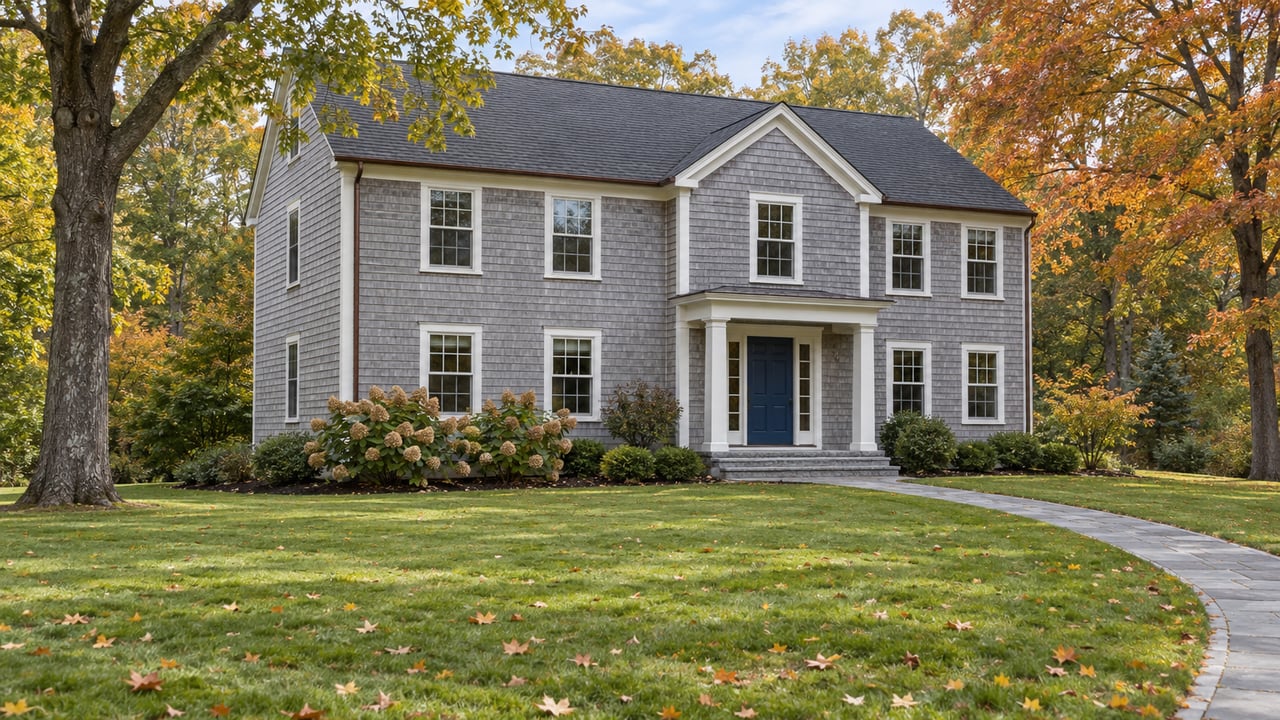
If you prefer tree-lined streets and more yard space, explore Cranbury and Silvermine. Cranbury reads as classic Connecticut suburbia with colonials, capes, and mid-century homes on established streets.
Silvermine blends history and the arts. The Silvermine Arts Center anchors the neighborhood, and housing includes historic properties and architect-designed homes on larger lots. These areas suit buyers who prioritize privacy, space, and a slower pace over walk-to-dining density.
Commute and transit essentials
Norwalk offers three New Haven Line stations plus one on the Danbury Branch. The New Haven Line stops are South Norwalk, East Norwalk, and Rowayton. There is also Merritt 7 on the Danbury Branch. For the statewide overview of services and lines, review the Connecticut rail and transit guide.
Typical Norwalk-to-Grand Central times vary by train, commonly about 60 to 75 minutes depending on origin station and service pattern. South Norwalk usually has the most frequent service and structured parking close to the platform. Station parking rules and availability change, so verify current details using the city’s South Norwalk Station Area Final Report.
Local buses help you go car-lite. Norwalk Transit District routes connect neighborhoods to SoNo and other hubs. See the system map for coverage and timing on the Norwalk Transit District map.
Waterfront and boating access
If boating is central to your lifestyle, Norwalk is a strong fit. East Norwalk’s Norwalk Cove Marina is one of the area’s largest full-service marinas, with slips, services, and seasonal events. Private clubs and neighborhood associations also support an active boating culture, especially around Rowayton and Norwalk Harbor.
For day trips, the Norwalk Seaport Association runs seasonal ferry and tour service to Sheffield Island and offers harbor cruises. Get dates and ticket info from the Norwalk Seaport Association. Because slips and membership options can be limited or seasonal, contact marinas and clubs directly to confirm waitlists, draft limits, and storage.
Market context in brief
Across Norwalk, market aggregators often place typical home values in the mid six hundreds, with prices shifting by micro-location and product type. Areas with direct waterfront, dock rights, or easy station access can sit at premium levels compared to more central pockets. SoNo tends to supply more condos and townhomes, while Rowayton, Cranbury, and Silvermine are primarily single-family. East Norwalk blends smaller single-family homes with some condo inventory and a major marina amenity set.
Use current listings and on-the-ground comps to understand street-level pricing. If a property’s value depends on waterfront views, walk-to-station access, or boating rights, confirm that those features are durable and transferable at resale.
How to test-fit any Norwalk listing
Use this simple checklist before you write an offer:
- Commute reality
- Pick your actual train by time of day. Confirm duration and whether it is direct or requires a transfer. Validate parking options and permit rules at your chosen station.
- Walkability and errands
- Trace your daily route to dining, groceries, parks, or the waterfront. Do the walk at the time you will use it. If you plan a car-lite life, review bus routes against your schedule.
- Boating specifics
- If waterfront is key, confirm slip or mooring availability, vessel size limits, launch points, and winter storage. Clarify whether the property includes dock or association rights.
- Condo or HOA review
- For condos or townhomes, review rules, reserves, and parking assignments. These details affect quality of life and resale.
- Noise and vibe check
- Visit at peak times. Sample a weekend evening in SoNo or a beach day in East Norwalk. Make sure the neighborhood’s pace matches yours.
- Resale drivers
- Document the property’s durable advantages: station proximity, water access, view corridors, or lot characteristics. These often underpin long-term value.
Your next step: concierge guidance
Norwalk gives you real choice. Whether you want a walkable, transit-first life in SoNo, a shoreline village in Rowayton, a beach-and-marina base in East Norwalk, or classic calm in Cranbury and Silvermine, you can align your day-to-day with the right block.
If you want a tailored plan, curated listings, and a smooth path from tour to close, connect with Serena Richards for white-glove representation. Request a Private Market Consultation to clarify your priorities, run a pricing strategy, and move with confidence.
FAQs
What is the best Norwalk neighborhood for a fast NYC commute?
- South Norwalk usually offers the most frequent service and structured parking at its station, with many trains to Grand Central in about 60 to 75 minutes depending on pattern.
Where should I live in Norwalk if I keep a boat?
- East Norwalk stands out for immediate harbor access and Norwalk Cove Marina, while Rowayton and Norwalk Harbor areas offer active club communities and seasonal options.
Which Norwalk areas feel most walkable to dining and entertainment?
- South Norwalk is the most concentrated dining and entertainment hub with a compact, walkable core near the train, the aquarium, and waterfront attractions.
What parts of Norwalk offer more yard space and privacy?
- Cranbury and Silvermine are known for traditional single-family homes on established, tree-lined streets, with a quieter residential pace.
How do I confirm train times and station parking in Norwalk?
- Check the exact train for your commute window and verify station parking rules before you decide. Service patterns and permit details can change seasonally.
Are waterfront and station-proximate homes more expensive in Norwalk?
- Properties with direct waterfront, dock rights, views, or easy station access often command premiums compared to more central sections without those features.