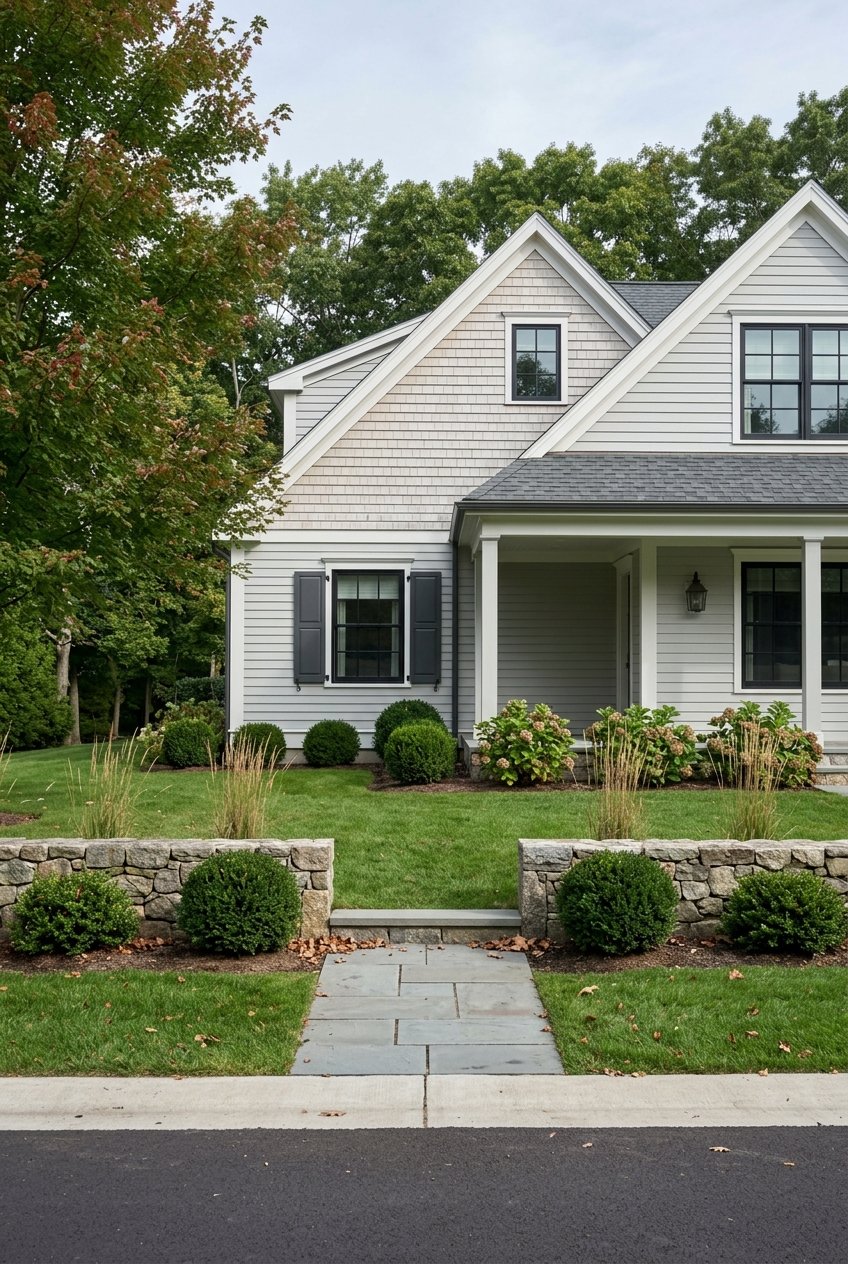
If you are wondering whether Fairfield feels more like a beach town, a commuter town, or a college town, the short answer is yes. That blend is exactly what makes living in Fairfield, CT so appealing to many buyers and sellers. You get shoreline access, practical daily convenience, and a steady sense of activity that goes beyond summer weekends. Let’s take a closer look at how Fairfield lives day to day.
Fairfield Has More Than One Identity
Fairfield is a coastal suburban town with a strong student presence, not a one-note shoreline destination. The U.S. Census Bureau estimates the population at 66,262 as of July 1, 2025, which helps explain why the town feels large enough for full-time amenities while still keeping a local, town-scale rhythm.
That mix shows up clearly in how Fairfield is laid out. The town includes shoreline areas like Fairfield Beach, Reef Road, Pine Creek, and South Pine Creek, along with Southport, the University district, Greenfield Hill, Stratfield, Tunxis Hill, Lake Hills, and other residential sections. In practical terms, your experience here can feel very different depending on where you live.
Coastal Living Is Part of Daily Life
Fairfield’s shoreline is not just scenic. It is woven into everyday life. Jennings Beach is a 28.8-acre town site with a beach, pavilion, playground, restrooms, picnic area, and grassy and wooded spaces, which gives residents a place that works for a quick outing as easily as a full beach day.
Penfield Pavilion’s seasonal concession is another sign that the coast functions as a regular community gathering place. This is not a town where the waterfront sits off to the side. In Fairfield, the shoreline plays a visible role in how people spend time, especially in warmer months.
At the same time, coastal living here comes with practical considerations. Fairfield’s 2024 floodplain review notes ongoing flood-reduction work, including Penfield Beach flood protection and green infrastructure efforts downtown. If you are considering a home near the water, it helps to think about both the lifestyle benefits and the realities of an actively managed coastal environment.
Parks Extend Recreation Beyond the Beach
Even if you do not plan to spend every free hour on the sand, Fairfield offers plenty of outdoor access. The town’s Parks and Recreation Department manages 170 acres of town parks, which broadens the recreation picture well beyond the shoreline.
That matters because it supports a more flexible lifestyle. You can fit in a walk, playground visit, or outdoor break during a normal weekday instead of waiting for the weekend. For many buyers, that everyday usability is just as important as the beach itself.
Downtown Fairfield Feels Walkable and Active
One of Fairfield’s biggest strengths is that it does not ask you to choose between charm and convenience. Fairfield University describes downtown as a walkable, culturally rich New England town with restaurants, coffee bars, theatres, boutique shops, and beaches nearby. Sacred Heart University also points to a lively mix of dining, entertainment, and open spaces near campus.
The town’s Arts Commission has described downtown as a compact, walkable area where community members gather. Sacred Heart later reported that downtown Fairfield had become Connecticut’s newest Cultural District. Together, those details paint a picture of a center that feels active, social, and useful in daily life.
Errands Are Easy to Handle Locally
Fairfield’s commercial activity is spread across several familiar corridors rather than centered in one large retail hub. Town property listings show that Post Road, Kings Highway East, and Black Rock Turnpike serve as major commercial spines, with a mix of retail, office, parking, and access to I-95, commuter rail, and downtown destinations.
That setup makes Fairfield practical in a very real way. You are not relying on one district for everything. Instead, daily errands and services are distributed across a few recognizable nodes that support different parts of town.
A useful example is Fairfield University’s off-campus shuttle. It runs to the Fairfield Train Station, Town Green, Whole Foods, Stop & Shop, CVS, and Marshalls along the Post Road. That route says a lot about how Fairfield works: campus life and ordinary errands overlap in a way that feels convenient and grounded.
Metro-North Adds Commuter Appeal
For buyers who need regional access, Fairfield offers strong rail connectivity. The town has multiple Metro-North stops on the New Haven Line, including Fairfield, Southport, and Fairfield-Black Rock.
Those stations are part of what gives Fairfield its commuter-friendly reputation. The MTA notes station amenities such as ticket machines, and Fairfield-Black Rock includes accessibility features like elevators, ramps, tactile warning strips, and audiovisual passenger information systems. If you want a town with shoreline character and practical train access, Fairfield checks both boxes.
Campus Energy Shapes the Town
Fairfield feels distinct from some nearby shoreline communities because higher education is part of its identity. Fairfield University describes its 200-acre campus as offering a tight-knit college-town experience with access to Connecticut beaches. Sacred Heart University also emphasizes Fairfield’s coastal setting and access to major regional cities.
The effect is not limited to students moving between classes. Fairfield University hosts lectures, art exhibitions, athletics, cultural celebrations, and other events, while Sacred Heart’s Fairfield campuses include the 66-acre West Campus and the 500-seat SHU Community Theatre downtown. Together, these institutions give the town a steady layer of arts programming, school-year activity, and evening energy.
Different Areas Feel Different
One of the most important things to know about living in Fairfield is that there is no single Fairfield lifestyle. The town’s neighborhood map shows a layered community where shoreline sections, village-style areas, campus-adjacent districts, and more inland residential neighborhoods all contribute to the whole.
Southport, for example, reads as one of the most village-like historic pockets in town. The Southport Historic District includes more than 150 buildings and features architecture from the 18th, 19th, and early 20th centuries, along with large gardens and lawns that remain part of its character. It offers a different feel from the busier Post Road stretches or the more student-oriented areas near campus.
Shoreline neighborhoods such as Fairfield Beach, Reef Road, Pine Creek, and South Pine Creek, along with the University district, sit closer to several activity centers. Inland areas like Greenfield Hill, Stratfield, Tunxis Hill, and Lake Hills generally read as more residential and less retail-dense based on the town map and corridor pattern. That variety is a big reason Fairfield can feel both beachy and suburban at the same time.
What Fairfield May Feel Like for You
If you want coastal access without giving up year-round convenience, Fairfield offers a compelling balance. You can enjoy beaches, parks, a walkable downtown, and commuter rail while still having a broad residential base and multiple neighborhood settings to consider.
If you are drawn to places with built-in activity, the presence of Fairfield University and Sacred Heart University adds a layer that keeps the town feeling engaged. You may notice it in arts events, cultural programming, downtown energy, or the overall rhythm of the academic year.
If your priority is choosing the right pocket of town, Fairfield rewards a closer look. Living near the shore, near downtown, near a train station, or in a more inland residential area can shape your daily routine in very different ways. That is why local guidance matters when you are trying to match a home to the lifestyle you actually want.
For buyers and sellers alike, Fairfield stands out because it supports more than one version of Connecticut living. It is coastal but not only coastal, active but not overwhelming, and practical without losing charm. That combination is what keeps it firmly on the radar for people looking across lower Fairfield County.
If you are considering a move in Fairfield or weighing how one part of town compares with another, a tailored conversation can help you narrow the options and move with confidence. Serena Richards offers a concierge-level, highly informed approach for buyers and sellers who want clear insight, thoughtful guidance, and polished execution.
FAQs
Is Fairfield, CT mainly a beach town?
- Fairfield has a real shoreline identity, but it also functions as a commuter suburb and college town with year-round amenities.
Is downtown Fairfield walkable for daily life?
- Yes. Fairfield University, Sacred Heart University, and the town’s arts materials describe downtown as compact, walkable, and full of everyday destinations.
Does Fairfield have good train access for commuters?
- Yes. Fairfield has multiple Metro-North stations on the New Haven Line, including Fairfield, Southport, and Fairfield-Black Rock.
Do different Fairfield neighborhoods feel noticeably different?
- Yes. Shoreline, village-style, campus-adjacent, and inland residential areas each offer a different day-to-day feel within the same town.
Can you handle errands locally in Fairfield?
- Yes. Post Road, Kings Highway East, Black Rock Turnpike, downtown amenities, and the university shuttle network all point to strong local convenience.