If you want more space, more trees, and a calmer daily rhythm without giving up access to major job centers, Wilton often lands on the shortlist. For many buyers, the appeal is simple: you get a town known for wooded surroundings, open land, and a true small-town center, while still staying connected to the broader Fairfield County and New York region. If you are wondering whether Wilton really delivers that balance of country quiet near the city, this guide will help you see how the town works in everyday life. Let’s dive in.
Why Wilton Feels Different
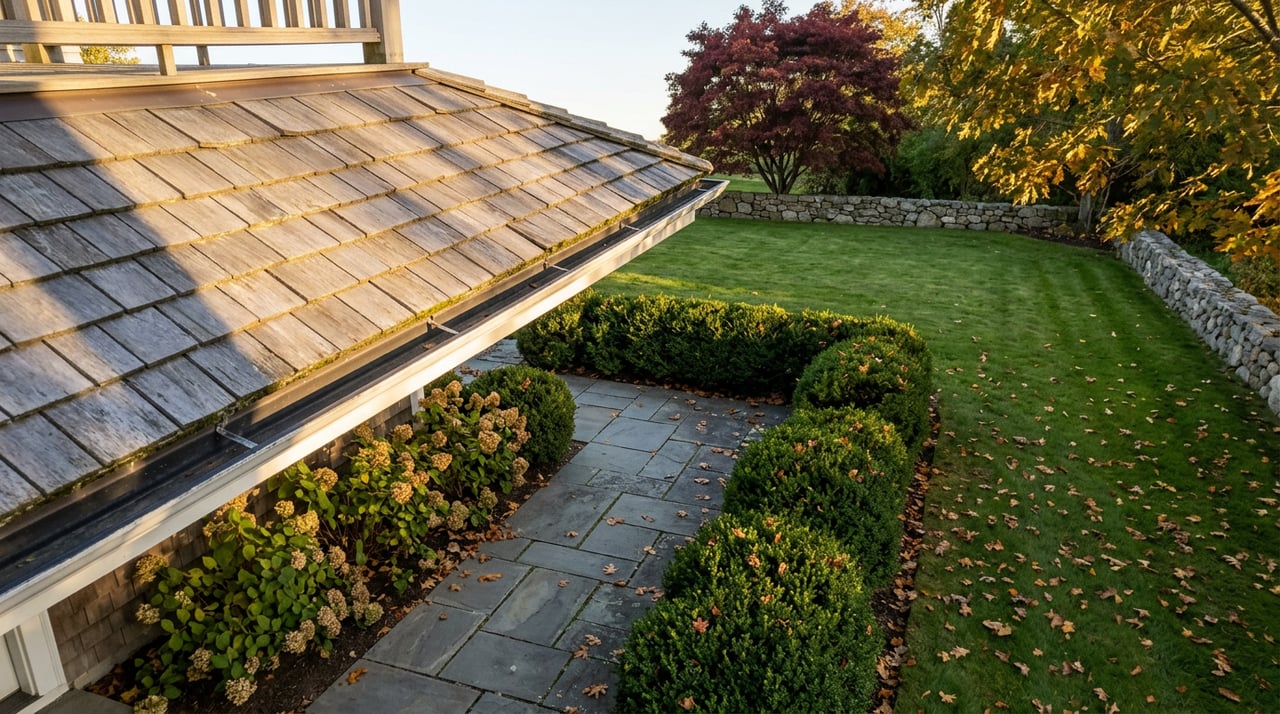
Wilton has a distinctly lower-density feel than many nearby towns. Wilton Public Schools describes it as about 50 miles northeast of New York City, spread across 27.2 square miles of wooded terrain, stone walls, streams, and open land. That physical setting shapes the town’s identity in a very real way.
You notice that country character in the spacing of homes, the roadways, and the amount of preserved outdoor space. At the same time, Wilton is not isolated. The town’s welcome page highlights access to the Merritt Parkway and I-95, plus two train stations and a downtown area that supports day-to-day errands and activities.
Wilton at a Glance
Wilton is a small Fairfield County town with an estimated population of 19,255 in 2024 and 2025. Census data also shows an 88.6% owner-occupied housing rate, which supports the town’s predominantly residential character. The median owner-occupied home value is $928,800, and median household income is $242,199.
Those figures help explain both Wilton’s appeal and its pricing. This is a market where many buyers are looking for long-term ownership, privacy, and more square footage or land than they might find in denser locations. If you are comparing towns in lower Fairfield County, Wilton tends to stand out for space and setting.
Daily Life in Wilton Center
A common misconception is that a country-like setting means sacrificing convenience. In Wilton, much of daily life revolves around Wilton Center, which the Greater Wilton Center Area master plan identifies as the community’s downtown. It includes grocery stores, offices, restaurants, shops, recreational areas, the Town Green, Schenck’s Island, and the Wilton Library.
That matters because it gives you a functional center of town rather than a purely residential landscape. You can run errands, meet friends, stop at local businesses, and access community spaces without feeling like everything is spread too far apart. For many buyers, that village-center structure is part of what makes Wilton livable.
Commuting From Wilton
If your work or lifestyle keeps you connected to New York City, Stamford, or other Fairfield County business hubs, commuting is an important part of the Wilton conversation. Wilton has two Metro-North stations, Wilton and Cannondale, on the Danbury Branch. According to the MTA line map, select rush-hour trains run to and from Grand Central, while off-peak riders typically transfer at South Norwalk for Grand Central service.
In practical terms, that means commuting is possible, but the experience is schedule-dependent. If you need frequent, simple, all-day direct train service, Wilton may feel less convenient than towns on the main New Haven Line. If you are comfortable planning around train schedules, the tradeoff may be worth it for the town’s quieter setting and more open feel.
Census estimates place Wilton’s mean travel time to work at 35.9 minutes. The town also notes access to the Merritt Parkway and I-95, which supports commuting by car to regional employment centers. For buyers who split time between office and home, that flexibility can be a meaningful advantage.
Outdoor Living Is Part of the Routine
One of Wilton’s biggest strengths is how naturally outdoor space fits into everyday life. The town and local land organizations maintain places for walking, hiking, biking, and horseback riding, and several of the best-known destinations are woven directly into the community.
Merwin Meadows is a key local park with a swimming pond, beach, pavilion and grills, bathhouse, playground, and athletic field. Schenck’s Island, located in Wilton Center, offers a large lawn, scenic meadow, walking trails, and fishing in the Norwalk River. These are not far-off attractions. They are part of the weekly rhythm of life in town.
For broader outings, Weir Farm National Historical Park spans Wilton and Ridgefield and is the only national park dedicated to American Impressionist painting. Ambler Farm adds another layer to local life, with historic buildings, rolling fields, and a farm stand that operates from June through October. If you value weekends that feel active but unhurried, Wilton has a lot to offer.
What the Housing Stock Looks Like
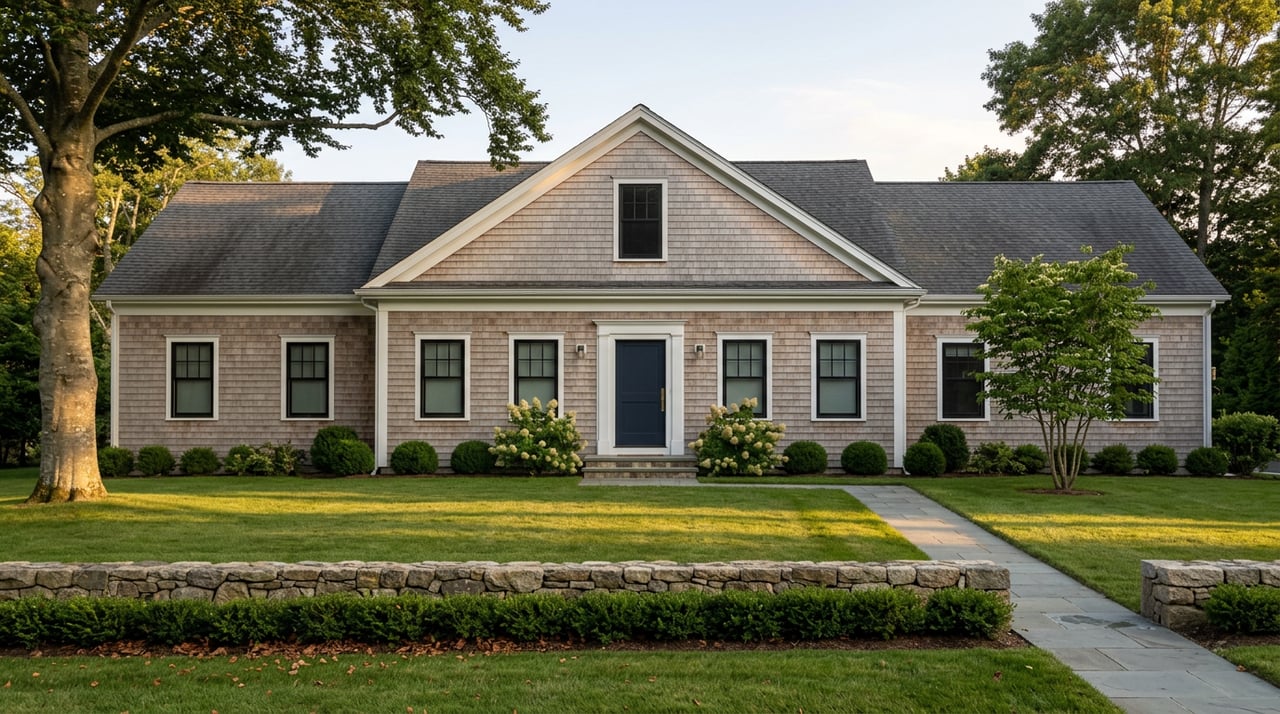
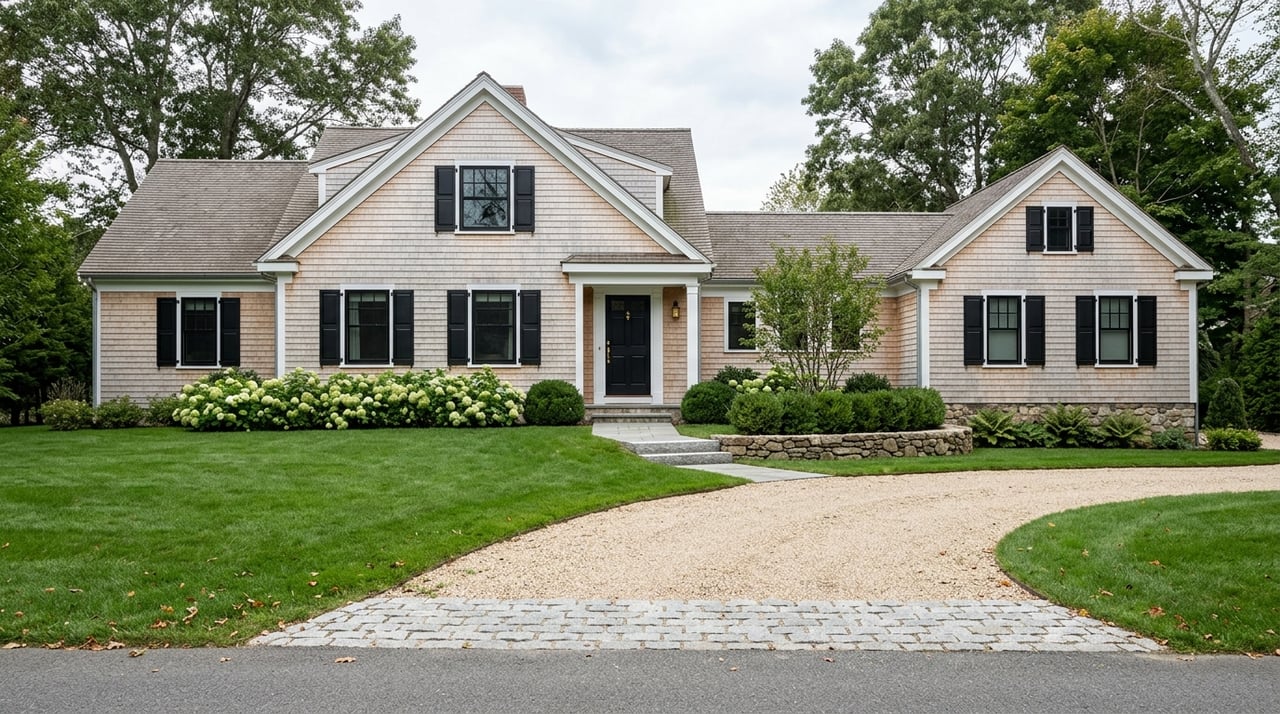
Wilton’s housing is heavily owner-occupied and largely single-family oriented. The town profile reports that 86% of homes are detached or semi-detached, which aligns with the lower-density feel buyers often expect here. This is one reason Wilton appeals to people searching for privacy, yard space, and a more traditional suburban layout.
The housing styles are also varied. The town’s historic-house survey identifies a range that includes Colonial, Federal, Cape, Greek Revival, Colonial Revival, Craftsman, Tudor Revival, Ranch, and Contemporary homes. Significant 20th-century homes, especially from 1920 to 1940, are also part of the local housing story.
That mix gives buyers real options. You may find an older home with architectural detail, a mid-century property with a distinctive layout, or a newer residence designed for modern living. In some areas, especially local historic districts, visible exterior changes are subject to the town’s Certificate of Appropriateness review process, so it is worth understanding that extra layer if you are considering an older property.
Who Wilton Tends to Fit Best
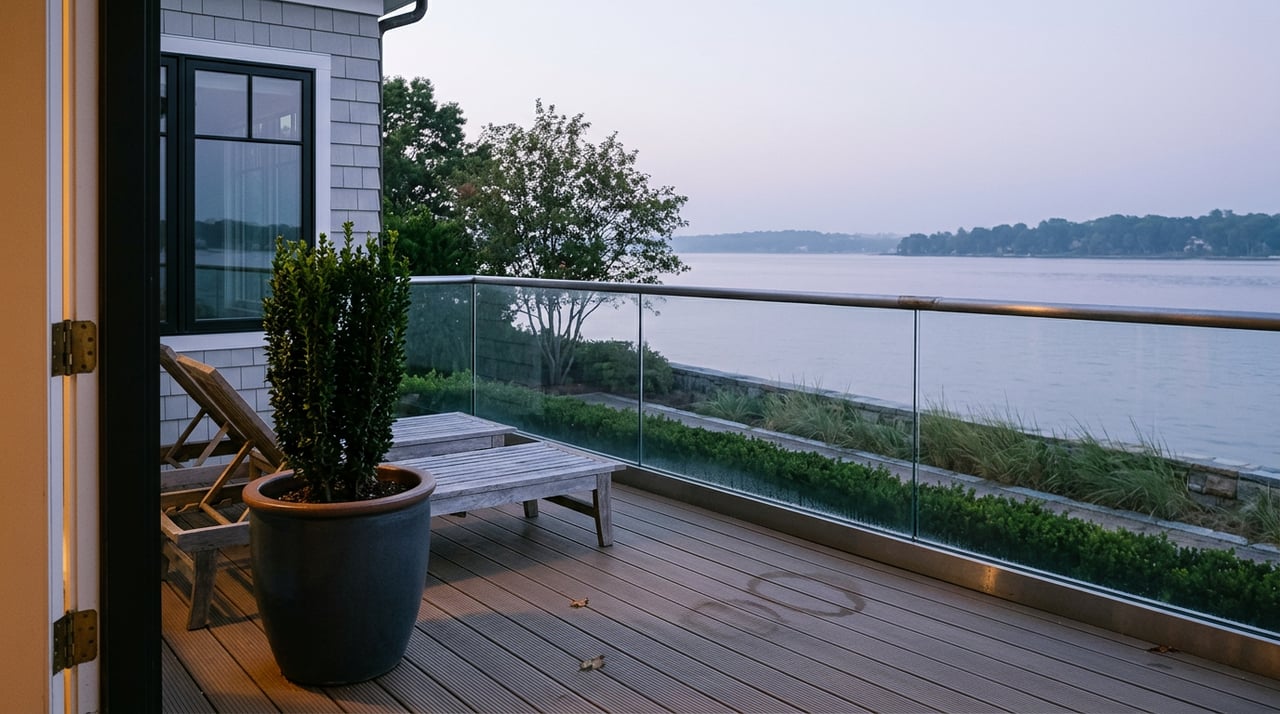
Wilton is often a strong fit if you want a home environment that prioritizes space, privacy, and access to nature, while still keeping you within reach of Fairfield County and New York City. It can also suit buyers who prefer a town center with practical amenities rather than a highly urban, fully walkable layout.
The tradeoffs are important to understand. Home values are high, and train service is less straightforward off-peak than in some neighboring commuter towns. In simple terms, Wilton tends to work best when you value open space and a country feel more than dense walkability or all-day direct rail convenience.
A Quick Look at Wilton Living
| Topic | What to Know |
|---|---|
| Setting | Wooded, lower-density, country feel with a defined town center |
| Access | Merritt Parkway, I-95, and two Metro-North stations |
| NYC commute | Select rush-hour direct service, with off-peak transfers at South Norwalk |
| Downtown | Wilton Center includes shops, restaurants, grocery options, library, and green space |
| Housing | Mostly owner-occupied, single-family homes with varied architectural styles |
| Lifestyle | Strong connection to parks, trails, pond access, farm visits, and outdoor recreation |
What Buyers Should Keep in Mind
If Wilton is on your list, it helps to think through your priorities in real-life terms. Ask yourself how often you commute, how much you value land and privacy, and whether a village-style center meets your daily needs. The answers usually make the fit clearer.
It is also smart to look beyond headline price points. In a town with a wide range of home styles and ages, condition, location within town, and any historic-district considerations can shape both value and future plans. A thoughtful search process matters here.
Why Wilton Continues to Draw Interest
Wilton offers something that is increasingly hard to find in the New York metro orbit: a genuine sense of retreat that still supports daily practicality. You can have wooded surroundings, a strong pattern of owner occupancy, outdoor destinations woven into town life, and regional access through roads and rail. That combination is a big reason buyers continue to look closely at Wilton.
If you are trying to decide whether Wilton matches your lifestyle, the real question is not just whether it is close enough to the city. It is whether the town’s quieter pace, housing mix, and outdoor orientation match the way you want to live. For the right buyer, that answer is often yes.
If you are considering a move to Wilton or comparing it with other lower Fairfield County towns, Serena Richards can help you evaluate the market with a clear, tailored strategy.
FAQs
Can you commute to Manhattan from Wilton, CT?
- Yes. Wilton has two Metro-North stations on the Danbury Branch, with select rush-hour trains to and from Grand Central and off-peak transfers typically at South Norwalk.
What is daily life like in Wilton Center?
- Wilton Center functions as the town’s downtown, with grocery stores, offices, restaurants, shops, the Town Green, Schenck’s Island, and the Wilton Library.
What types of homes are common in Wilton, CT?
- Wilton is largely single-family and owner-occupied, with housing styles that include Colonial, Cape, Craftsman, Tudor Revival, Ranch, Contemporary, and other historic and 20th-century homes.
What outdoor activities are popular in Wilton, CT?
- Many residents spend time at Merwin Meadows, Schenck’s Island, Weir Farm National Historical Park, Ambler Farm, and the town’s network of walking, hiking, biking, and horseback riding spaces.
Is Wilton, CT a good fit if you want space and privacy?
- Wilton is often appealing to buyers who value lower-density living, open land, and a country feel, especially if they are comfortable with higher price points and a schedule-dependent rail commute.