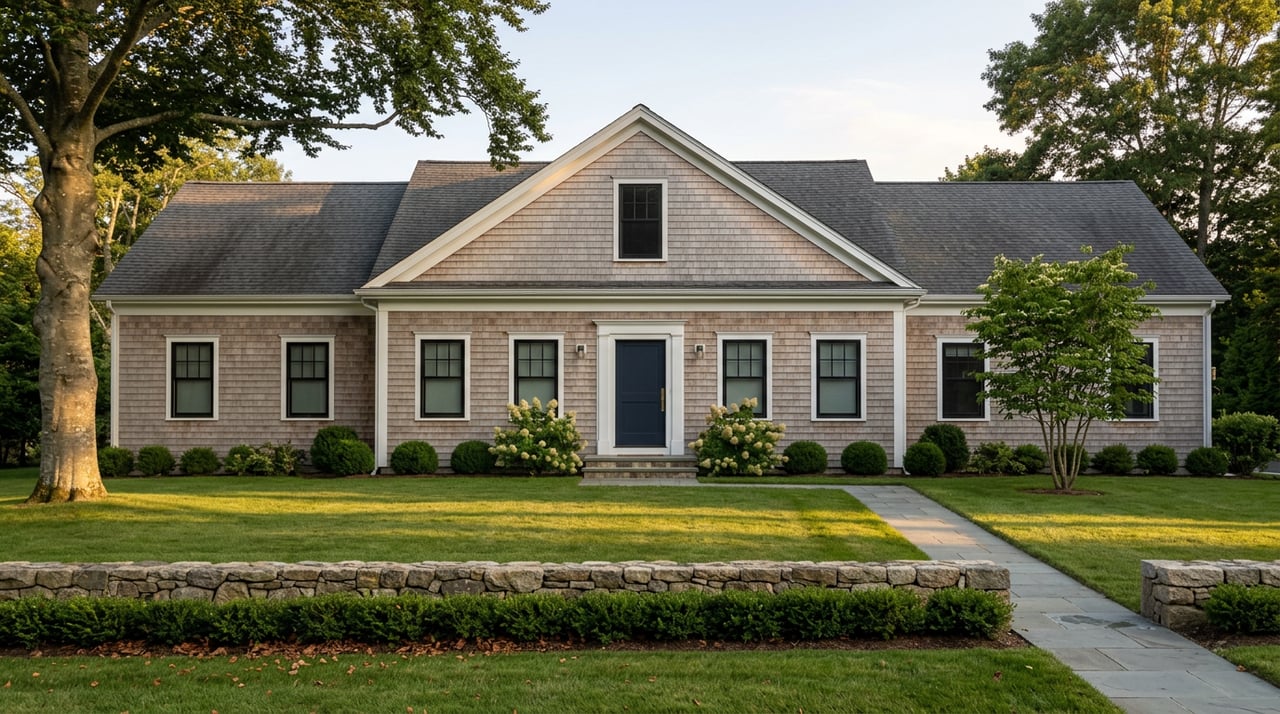
What is your Stamford home really worth right now? If you are planning to sell or considering a refinance, guessing is expensive. You want a clear, data‑driven valuation that reflects your exact micro‑market, recent sales, and the condition of your property. In this guide, you will see the step‑by‑step method used to estimate value with confidence and turn that number into a pricing strategy that fits your goals. Let’s dive in.
Valuation types: CMA, AVM, appraisal
Not all valuations serve the same purpose. Understanding the difference helps you choose the right path.
- Comparative Market Analysis (CMA): A broker’s market valuation designed to set a smart list price and inform strategy. It relies on recent comparable sales and experienced judgment. It is not a formal appraisal.
- Automated Valuation Model (AVM): A quick online estimate. Helpful as a starting point, but it often misses interior condition, upgrades, and micro‑market premiums such as waterfront or walkability.
- Formal appraisal: Completed by a licensed appraiser who follows recognized standards. Lenders use this for mortgages and refinances. It is the gold standard for underwriting and certain legal needs.
If you plan to sell, a CMA guides pricing and marketing. If you plan to refinance, expect a formal appraisal. Many owners start with a CMA to understand range and timing before moving forward.
Stamford valuation workflow
The goal is a transparent, repeatable process that produces a credible value range and a plan.
- Intake: You share your address, property type, square footage, beds/baths, notable upgrades, recent maintenance, objectives (sell or refinance), and timing. Photos help.
- Data pull: Recent closed, pending, and active listings are gathered from local sources to reflect your micro‑market.
- Preliminary AVM check: Used only as a quick benchmark against real-world data.
- Comp matching: Choose the most similar recent sales based on property type, size, age, lot, and location factors such as waterfront or transit access.
- Adjustments: Apply measured adjustments for size, beds/baths, condition, upgrades, location, and amenities. Document the rationale.
- Time trend: If the market moved since a comp closed, apply a time adjustment to reflect today’s prices.
- Reconcile: Calculate a weighted average, produce a value range, and align pricing strategy with your timeline.
- Deliverable: Present a concise valuation summary with next steps. For refinancing, discuss the appraisal process and timing.
How comps are selected and adjusted
A strong valuation starts with the right comparable sales and disciplined adjustments.
Selecting the right comps
- Lookback window: In fast segments, focus on the last 3 to 6 months. In slower segments, extend to 6 to 12 months.
- Distance and micro‑market: In Downtown and Harbor Point, start within 0.5 to 1 mile. In North Stamford or Springdale, expand thoughtfully to 1 to 3 miles if needed.
- Property match: Align property type, size, lot, age, and features such as waterfront, view, or parking.
- Exclusions: Avoid unusual non‑arm’s‑length transfers or isolated distressed sales that do not reflect typical buyer behavior.
Time and trend adjustments
Markets move. If a comp closed months ago, adjust to today’s date using recent local trend indicators. This helps older sales reflect current demand and supply conditions.
Price per square foot and paired sales
- PPSF baseline: Start with price per square foot to compare, then refine for layout, ceiling height, and finish level.
- Paired‑sale logic: When two sales are nearly identical except for one feature, use their price difference to estimate the dollar value of that feature, such as a renovated kitchen or a garage.
Stamford micro‑market adjustments
Location is a core driver in Stamford and often determines the comp set.
- Downtown and Harbor Point: Walkability and proximity to the Stamford station can command a premium. Newer mixed‑use development and amenity packages matter in condo valuations.
- Shippan and Shippan Point: Waterfront access and views are major variables. Direct Long Island Sound exposure, private docks, and beach rights carry distinct premiums. Flood zone and insurance costs also factor into marketability.
- North Stamford: Larger lots, privacy, and a more wooded setting lead to different price profiles than urban neighborhoods. Lot size and setting weigh heavily here.
- Springdale, Glenbrook, Westover, Turn of River: Each area has its own housing mix and access patterns. Keep comps within the same micro‑market when possible and document any location adjustments.
When a perfect match is not available in the same neighborhood, expand carefully and apply conservative location adjustments with clear documentation.
Waterfront and flood considerations
Waterfront exposure increases demand, but flood zone status and insurance can offset part of that premium. When valuing near the coast, pull a separate pool of waterfront comps and note any mitigation features. The result is a realistic net value that reflects both the view and the carrying costs.
Condition and upgrade weighting
Condition and quality can shift value meaningfully, especially in side‑by‑side comparisons.
- Structure and systems: Roof, foundation, HVAC, electrical, and plumbing influence perceived risk and future costs.
- Layout and livability: Bedroom and bathroom counts, flow, and finished lower levels can expand usable space and appeal.
- Finishes: Kitchens, baths, flooring, and cabinetry often drive buyer response and price strength.
- Energy and mechanical: New HVAC, windows, and solar can improve operating costs and buyer interest.
- Curb appeal: Exterior condition and landscaping can impact days on market and offers, even if not heavily weighted in formal appraisals.
To quantify upgrades, group them into buckets and estimate their impact based on local cost references and paired sales:
- Minor cosmetic refresh
- Mid‑range renovations (e.g., updated kitchen or primary bath)
- High‑end renovations or new construction
In the final reconciliation, a practical weighting framework often looks like this:
- Comps and location: 50 to 70 percent
- Condition and upgrades: 15 to 30 percent
- Micro‑market and amenities: 10 to 20 percent
- Time trend and liquidity: 5 to 15 percent
These ranges flex by segment. For example, Harbor Point condos may place more weight on building amenities and proximity, while North Stamford homes may place more weight on acreage and privacy.
From value range to pricing strategy
After adjustments, each comp produces an adjusted value. Those roll up into an average and a weighted average based on similarity and recency. Rather than a single magic number, you receive a value range that reflects market realities and negotiation room.
With the range set, choose a pricing path that supports your goals:
- Aggressive: List near the high end if your property is exceptional and you have time. This tests the market while you monitor traffic.
- Market‑aligned: List near the weighted middle of the range for a predictable marketing period and solid negotiation leverage.
- Bidding strategy: List slightly below adjusted value to create urgency and attract multiple offers when inventory is tight.
If you want tailored numbers for your address, request a quick value range and strategy session during your private consultation.
When to request a formal appraisal
If you are refinancing, your lender will order a formal appraisal. A broker’s valuation is helpful for planning, but the lender relies on an appraiser’s report. Appraisals are also common for tax appeals, estates, and certain legal matters. If your goal is to list and sell, start with a CMA, prepare the property, and then adjust as new data arrives.
Stamford‑specific factors to discuss
- Property taxes: Stamford’s mill rate and any special assessments affect buyer affordability. Verify the current rate and note any changes that could influence demand.
- Transit access: Proximity to the Stamford station and major routes can influence buyer pools and pricing power.
- HOA or community rules: In condo communities, HOA policies and leasing rules can affect value and buyer interest.
- Zoning and permits: Confirm that renovations are permitted and compliant. This supports value and reduces risk during buyer due diligence.
What you receive in a private consultation
You deserve a clear, confidential review tailored to your home and goals. In a private market consultation, you can expect:
- A walkthrough or photo review to assess condition and upgrades
- Three carefully selected comps with documented adjustments
- A data‑backed value range and a recommended pricing strategy
- Guidance on staging, minor repairs, and timing for market entry
- A refinance path if needed, including an appraisal discussion
To make our conversation efficient, have your address, property facts, notable upgrades, maintenance highlights, and target timeline ready. If you are considering a sale this season, this consult sets you up for a smooth launch.
FAQs
How a Stamford CMA differs from an appraisal
- A CMA is a broker’s market valuation used to set list price and strategy. An appraisal is completed by a licensed appraiser and is required for most refinances and mortgage underwriting.
Why online estimates differ from my value
- AVMs cannot see interior condition, recent upgrades, or micro‑market premiums such as waterfront or walkability. A CMA or appraisal incorporates those factors.
How far comps can be from my home
- In urban areas like Downtown and Harbor Point, aim within 0.5 to 1 mile. In suburban areas like North Stamford, 1 to 3 miles may be reasonable if micro‑markets are matched.
How upgrades impact my Stamford home value
- Kitchens, baths, and major systems often move the needle most. Value is quantified by paired sales and local cost‑to‑value comparisons, with permits and documentation noted.
How waterfront and flood status affect value
- Water views and dock access can increase demand, while flood insurance and mitigation costs can reduce the buyer pool. Use waterfront comps to capture the net effect.
Ready to see where your home lands today and how to price for your goals? For a discreet, data‑driven review and a clear action plan, connect with Serena Richards.