If you want a Connecticut town where the shoreline feels like part of everyday life, Fairfield stands out right away. You are not just looking at beach access on a map. You are looking at a place where coastal routines, downtown convenience, and a strong sense of local activity can all fit into the same week. This guide will help you picture what living in Fairfield can actually feel like, from beach mornings to train commutes to the kinds of homes you are likely to see. Let’s dive in.
Coastal living shapes the day
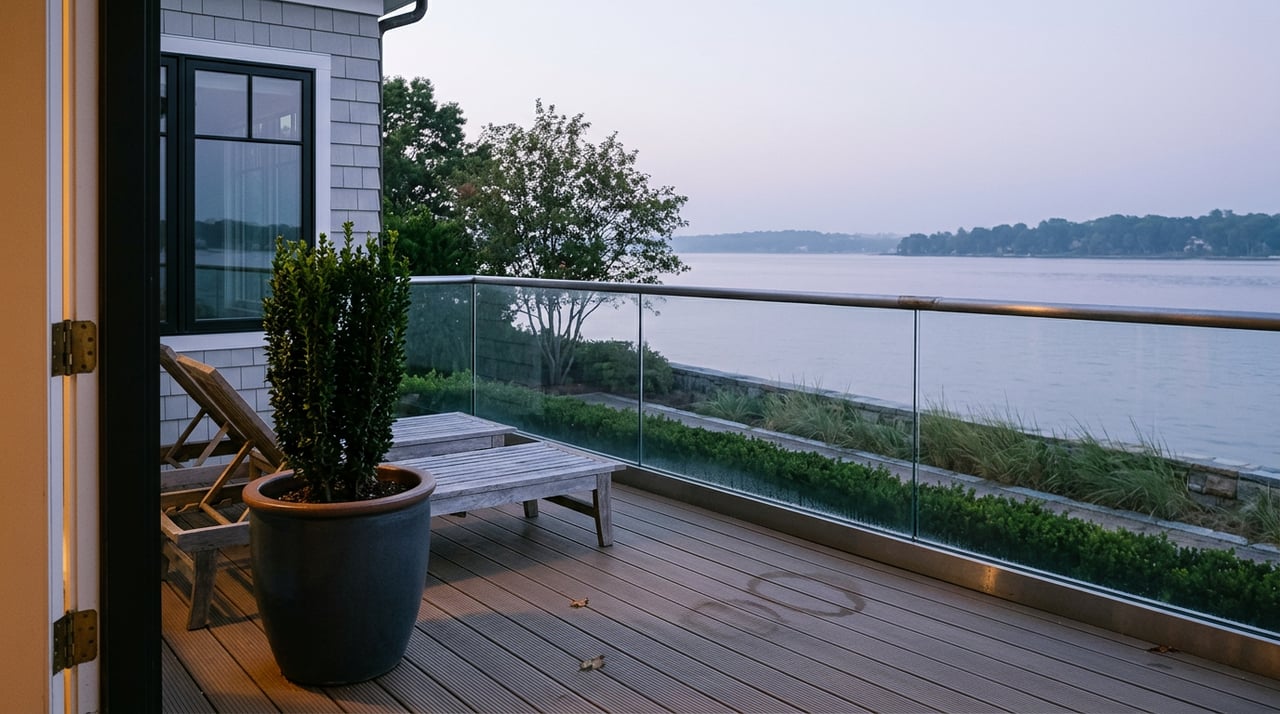
In Fairfield, the coast is not a once-in-a-while attraction. The town describes five miles of coastline, five public beaches, two marinas, two pavilions, one inland lake, and more than 1,100 acres of open space. That mix gives you a real sense of how outdoor living becomes part of your routine rather than a special event.
You also have access to a broad parks system that supports an active lifestyle beyond the shoreline. Fairfield manages 170 acres of town parks, 20 fields, 36 tennis courts, and four dedicated pickleball courts. If you like to stay moving, there are built-in ways to do that close to home.
Beach days can be part of real life
One of Fairfield’s biggest lifestyle advantages is how easy it is to imagine a quick stop by the water. That could mean an early walk, time with family at the beach, or a simple reset after work. In many towns, coastal living sounds appealing in theory, but in Fairfield it is tied to actual public access and town-managed amenities.
It is also helpful to know the practical side. Fairfield’s beach rules require seasonal or temporary parking permits from the Saturday before Memorial Day through Labor Day, and Jennings Beach may require permits on weekends starting with the first weekend in April. If beach access is part of your lifestyle goals, those details matter.
Lake Mohegan adds another outdoor option
Fairfield’s outdoor appeal is not limited to the shoreline. Lake Mohegan offers a different kind of setting with a 170.4-acre site that includes a lake, swimming area, beach area, hiking trails, wooded areas, a sprinkler park, a snack bar, and restrooms. It gives you another way to enjoy the outdoors without leaving town.
For many buyers, that matters because it broadens the definition of coastal living. You are not just paying attention to the waterfront. You are also looking at how the town supports everyday recreation, convenience, and quality of life across seasons.
Downtown Fairfield keeps life convenient
Fairfield’s downtown adds a very practical layer to its coastal appeal. Experience Fairfield describes downtown as the community’s vibrant heart, with shopping, dining, and arts and culture. Fairfield University also describes it as walkable and culturally rich, with restaurants, coffee bars, theatres, boutique shops, and beaches nearby.
That combination can make a big difference in daily life. You may want a town where you can enjoy the shoreline without giving up convenience. Fairfield offers a setting where errands, dining, and local events can feel close and manageable.
Dining and retail feel integrated
Downtown Fairfield is not just a small cluster of shops. The town’s transit-oriented development planning study describes it as a regional destination for dining and a community-serving retail center. That tells you downtown serves both local residents and people coming in for restaurants and activity.
For you as a buyer or seller, that kind of downtown can support long-term appeal. It creates a lifestyle center that adds value beyond the home itself. People are often drawn to towns where daily needs and leisure options sit within easy reach.
Commuting remains part of the appeal
Fairfield also works for people who need regional access. The town says it has three train stations, and Fairfield University notes that New York City is about an hour away by Metro-North. That gives you a useful balance between coastal living and broader connectivity.
CTrides’ current Fairfield-Black Rock guide adds practical parking details for train users. Daily parking is listed at $8, parking is free on weekends and federal holidays, and overnight parking is allowed with prepayment for up to 14 days. For commuters and frequent travelers, those details can help turn a good location into a functional one.
Universities add year-round energy
Fairfield has another advantage that often shapes a town’s rhythm in subtle but important ways. Fairfield University is a 210-acre coastal campus in town, and Sacred Heart University is also based in Fairfield. Together, they contribute to the area’s ongoing activity, cultural offerings, and wider sense of connection.
This does not mean Fairfield feels like a college town in the usual sense. Instead, the universities help add an arts-and-events layer that supports local life. The downtown directory includes Fairfield University Quick Center for the Arts, Fairfield Theatre Company, and SHU Community Theatre, which points to a steady cultural presence.
Arts and events enrich local routines
When you think about everyday coastal living, it is easy to focus only on beaches and homes. But many buyers also want a town that offers things to do without a long drive. In Fairfield, local venues and university-linked spaces help create that variety.
That can mean a more balanced lifestyle over time. You have access to outdoor space, but you also have entertainment, performances, and community activity woven into the town. For many people, that mix is part of what makes Fairfield feel complete.
What homes in Fairfield often look like
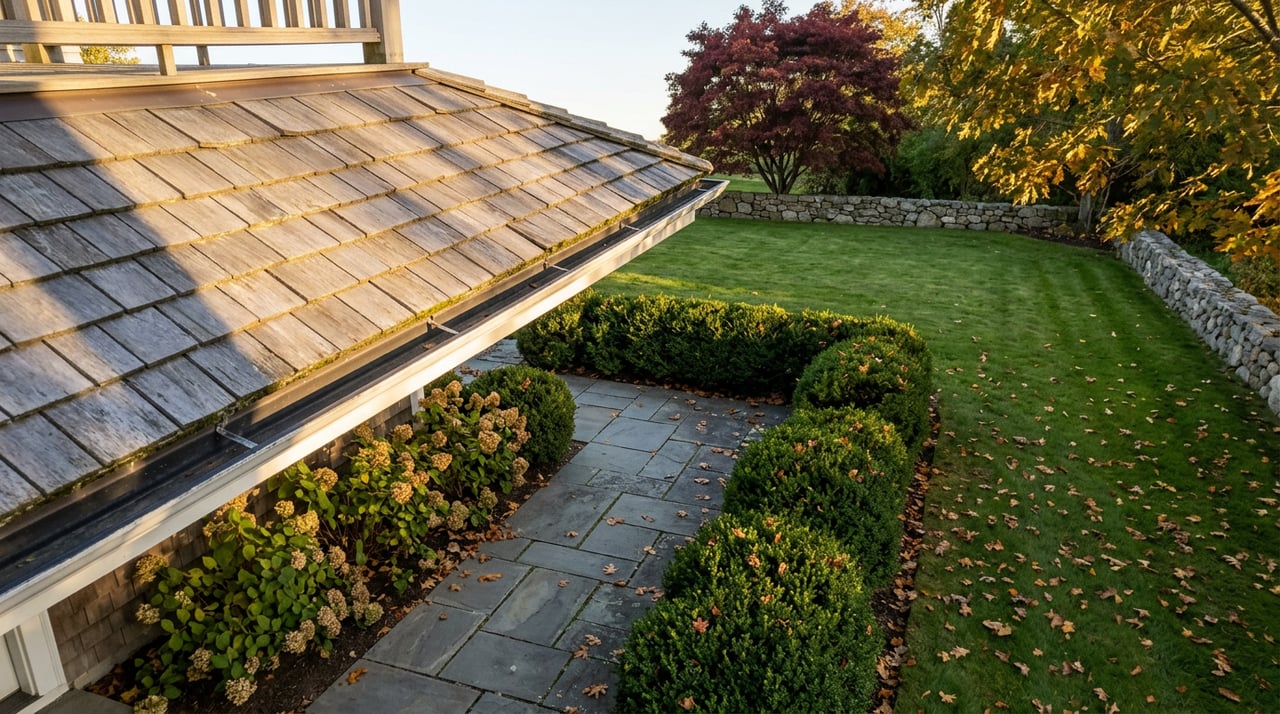
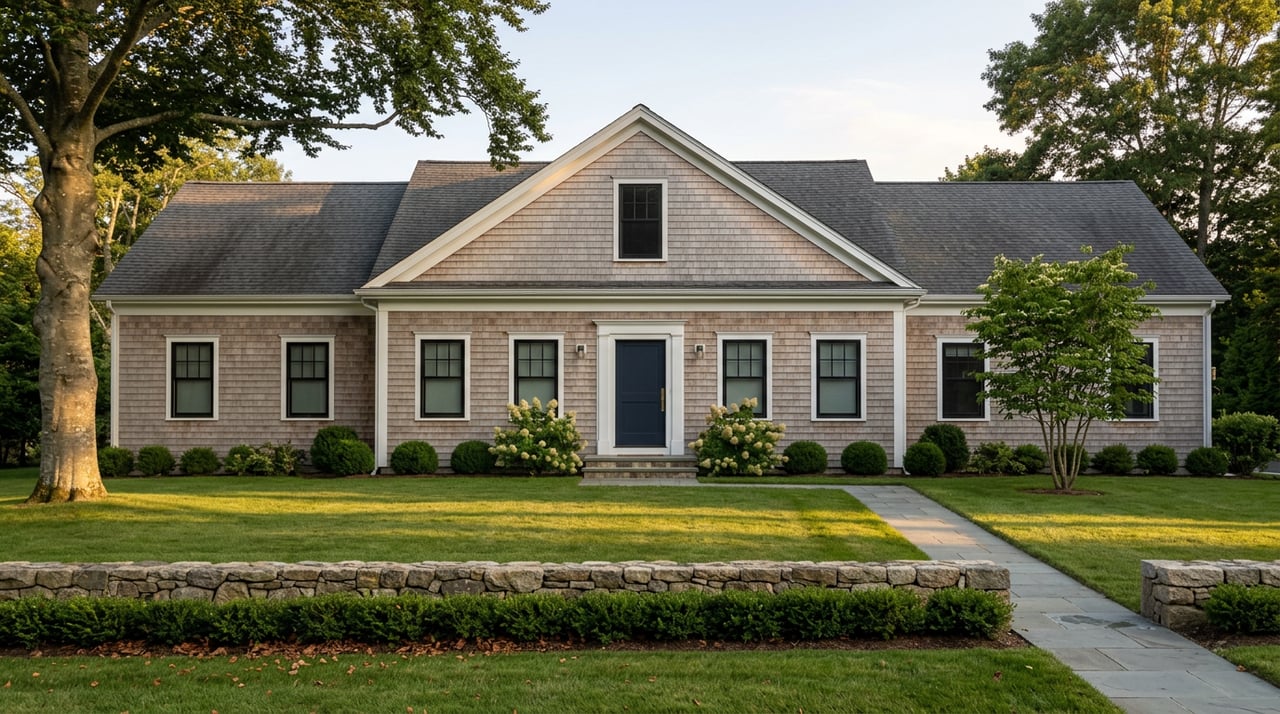
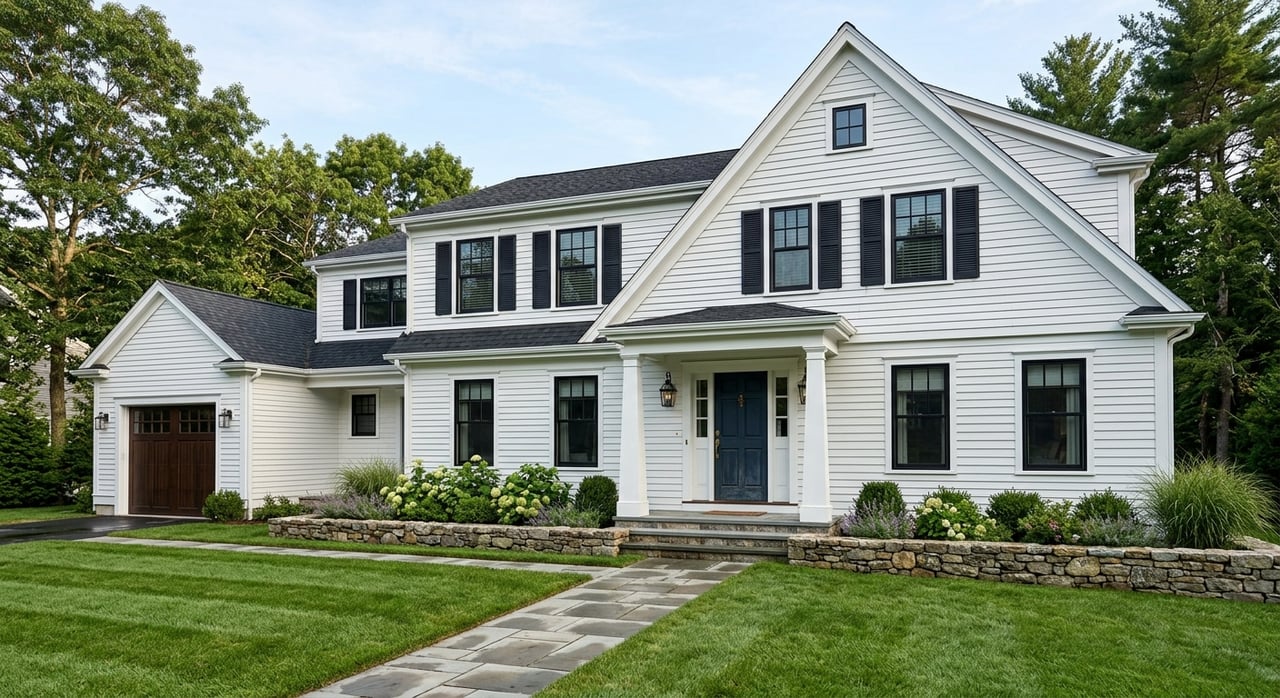
If you are considering a move, it helps to understand the housing mix you are likely to encounter. Fairfield’s housing profile shows a predominantly single-family market. According to the town, 85.1% of housing units were single-family houses, while 14.7% were in multi-unit structures.
That means your search may often center on detached homes, especially if you are looking across the broader town. At the same time, denser and mixed-use living is more likely near downtown and the rail corridor. The town’s own property inventory includes a mixed-use development with 160 apartments next to Fairfield Metro, which shows that condo and apartment-style options do exist in more transit-oriented areas.
Owner occupancy remains high
Fairfield’s housing data also suggests a community with a strong ownership base. The town reports that 82.9% of occupied units were owner-occupied, while 17.1% were renter-occupied. Census QuickFacts similarly estimates an owner-occupied housing rate of 83.3%.
For buyers, that can signal a market where ownership is a major part of the local housing picture. For sellers, it reinforces Fairfield’s identity as a place where people often put down roots. That can matter when positioning a home within the market.
Key numbers help frame expectations
The latest Census QuickFacts estimate Fairfield’s population at 65,300. The same source lists a median household income of $172,432, a median owner-occupied home value of $780,500, a median gross rent of $2,185, and an average household size of 2.72 people.
These numbers do not tell the whole story, but they do help set expectations. Fairfield is a well-established market with a meaningful price point, yet it occupies a different position than some nearby towns. Understanding that context can help you make a more confident buying or selling decision.
Fairfield’s place in lower Fairfield County
Part of Fairfield’s appeal is how it fits within the broader area. Census data shows Westport’s median owner-occupied home value at $1,405,200, well above Fairfield’s $780,500. Norwalk, by comparison, has a median owner-occupied home value of $558,000 and a lower owner-occupied share at 55.6%.
For many buyers, Fairfield lands in an attractive middle ground. Based on the housing and demographic data in the research, it offers shoreline living, downtown convenience, and university-driven activity without the same price intensity as Westport. Compared with Norwalk, it reads as more residential and beach-oriented.
Why that middle-ground position matters
If you are relocating or moving within lower Fairfield County, this context can be useful. You may be trying to balance home style, access to the water, commuting needs, and long-term value. Fairfield’s mix gives you more than one lifestyle benefit at the same time.
That is often what makes the town so compelling. You are not choosing only for the beach or only for the train. You are choosing a place where several priorities can work together in one address.
Why Fairfield feels livable year-round
The strongest case for Fairfield is not just that it is coastal. It is that the town supports a version of coastal living that can feel practical in every season. Beaches, open space, parks, downtown restaurants, train access, and arts venues all contribute to that picture.
If you are buying, that can help you think beyond listing photos and focus on the rhythm of daily life. If you are selling, it shows why Fairfield’s story is broader than square footage alone. The lifestyle here is layered, and that often becomes part of the value.
Whether you are searching for a single-family home, a condo near downtown, or a property that better aligns with the way you want to live, Fairfield offers a compelling blend of shoreline setting and everyday ease. If you are ready to explore Fairfield with a thoughtful, data-informed approach, connect with Serena Richards for a private market consultation.
FAQs
What makes coastal living in Fairfield, CT feel practical?
- Fairfield combines five miles of coastline, five public beaches, parks, downtown amenities, and train access, so the coastal setting can be part of your routine rather than just a weekend attraction.
What outdoor amenities are available in Fairfield, CT?
- The town describes five public beaches, two marinas, more than 1,100 acres of open space, 170 acres of town parks, 20 fields, 36 tennis courts, four pickleball courts, and Lake Mohegan with swimming, trails, and other amenities.
What should buyers know about Fairfield beach parking permits?
- Fairfield requires seasonal or temporary parking permits for beach access from the Saturday before Memorial Day through Labor Day, and Jennings Beach may require permits on weekends starting with the first weekend in April.
What is downtown Fairfield, CT like for everyday living?
- Downtown Fairfield is described as a vibrant, walkable center with shopping, dining, arts and culture, including restaurants, coffee bars, theatres, and boutique shops.
What types of homes are common in Fairfield, CT?
- Fairfield is primarily a single-family housing market, with the town reporting 85.1% of housing units as single-family homes, while multi-unit living is more likely near downtown and the rail corridor.
How does Fairfield, CT compare with Westport and Norwalk?
- Based on Census housing data cited in the research, Fairfield sits between Westport and Norwalk in median owner-occupied home value and offers a mix of shoreline living, downtown convenience, and a more residential feel.